Blue Hydrangeas: The Ultimate Guide To Growing And Caring For These Beautiful Blooms
Blue Hydrangeas: The Ultimate Guide to Growing and Caring for These Beautiful Blooms
Hydrangeas are some of the most popular flowering shrubs in the world, and for good reason. They come in a wide variety of colors, sizes, and shapes, and they can add a touch of elegance to any garden. Blue hydrangeas are particularly prized for their stunning blooms, which can range in color from light blue to deep purple.
If you're thinking about adding blue hydrangeas to your garden, there are a few things you need to know about their care. Here is a comprehensive guide to growing and caring for these beautiful blooms:
Choosing the right location
The first step to growing healthy blue hydrangeas is choosing the right location. Hydrangeas prefer full sun to partial shade, but they should not be planted in direct sunlight during the hottest part of the day. They also need well-drained soil, so avoid planting them in areas that are prone to flooding.
Soil pH
The pH of the soil is important for determining the color of your blue hydrangeas. In acidic soil (pH of 5.5 or lower), hydrangeas will produce blue flowers. In neutral or alkaline soil (pH of 6.5 or higher), they will produce pink flowers. If you want to get blue flowers from your hydrangeas, you will need to amend the soil to make it more acidic. You can do this by adding peat moss, sulfur, or aluminum sulfate to the soil.
Watering
Hydrangeas need regular watering, especially during the first year after planting. Water them deeply and infrequently, so that the water has a chance to soak into the soil. If you live in an area with hot, dry summers, you may need to water your hydrangeas more often.
Fertilizing
Hydrangeas need to be fertilized regularly to produce their best blooms. You can use a balanced fertilizer, such as 10-10-10, or a fertilizer specifically designed for hydrangeas. Fertilize your hydrangeas in the spring and fall, following the directions on the fertilizer label.
Pruning
Hydrangeas do not need to be pruned heavily, but they should be pruned annually to remove dead or damaged branches. You can also prune them to shape them or to control their size. The best time to prune hydrangeas is in the spring, before they start to bloom.
Winter protection
In colder climates, hydrangeas may need to be protected from the cold during the winter. You can do this by covering them with a burlap sack or by planting them in a sheltered location.
Troubleshooting
If your blue hydrangeas are not blooming, there are a few possible reasons. One possibility is that the soil is not acidic enough. Another possibility is that the hydrangeas are not getting enough sunlight. Finally, it is also possible that the hydrangeas are not being fertilized properly. If you are unsure of the cause of the problem, you can consult with a gardening expert.
Conclusion
With proper care, blue hydrangeas can provide years of beauty to your garden. By following the tips in this guide, you can help ensure that your hydrangeas thrive and produce their beautiful blooms for many years to come.
If you're looking for a beautiful and easy-to-grow shrub that will add a touch of elegance to your garden, then you need to check out blue hydrangeas. These stunning plants are known for their large, showy blooms that can range in color from light blue to deep purple. And thanks to their pH-sensitive flowers, you can even control the color of your hydrangeas by adjusting the acidity of your soil.
If you're interested in learning more about blue hydrangeas or finding a reputable seller, I recommend visiting . This website has a wide selection of blue hydrangea plants for sale, as well as helpful information on how to choose the right plant for your climate and how to care for it properly.
FAQ of blue hydrangea plants for sale
- What are blue hydrangea plants?
Blue hydrangea plants are a type of hydrangea that produces blue flowers. The color of the flowers is determined by the acidity of the soil. In acidic soil, the flowers will be blue. In neutral or alkaline soil, the flowers will be pink or purple.
- Where can I buy blue hydrangea plants?
Blue hydrangea plants are available for purchase at many garden centers and online retailers. When choosing a blue hydrangea plant, it is important to select a plant that is healthy and vigorous. The plant should also be the correct size for the desired location.
- How do I care for blue hydrangea plants?
Blue hydrangea plants are relatively easy to care for. They prefer full sun to partial shade and moist, well-drained soil. Blue hydrangea plants should be fertilized once a year in the spring. They may also need to be pruned in the spring or fall to maintain their shape.
- How do I get my blue hydrangea plants to bloom blue?
The color of blue hydrangea flowers is determined by the acidity of the soil. In acidic soil, the flowers will be blue. In neutral or alkaline soil, the flowers will be pink or purple. To get your blue hydrangea plants to bloom blue, you can add aluminum sulfate to the soil. Aluminum sulfate is a soil acidifier that will lower the pH of the soil and make it more acidic.
- What are some common problems with blue hydrangea plants?
Some common problems with blue hydrangea plants include:
- Leaf spot: Leaf spot is a fungal disease that can cause brown or black spots on the leaves of blue hydrangea plants. Leaf spot can be treated with a fungicide.
- Powdery mildew: Powdery mildew is another fungal disease that can affect blue hydrangea plants. Powdery mildew causes a white, powdery coating on the leaves of the plant. Powdery mildew can be treated with a fungicide.
- Aphids: Aphids are small, sap-sucking insects that can infest blue hydrangea plants. Aphids can cause the leaves of the plant to wilt and curl. Aphids can be controlled with insecticidal soap or neem oil.
Image of blue hydrangea plants for sale
5 different images of blue hydrangea plants for sale from Pinterest:
Blue Endless Summer Hydrangea
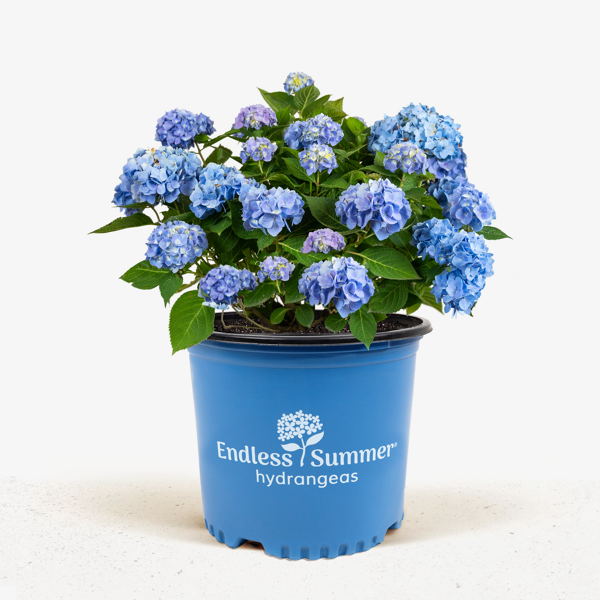 This hydrangea is a popular choice for its vibrant blue flowers that bloom from late spring to early fall. It is a relatively hardy plant that can tolerate a variety of conditions, making it a good choice for most gardens.
Blue Annabelle Hydrangea
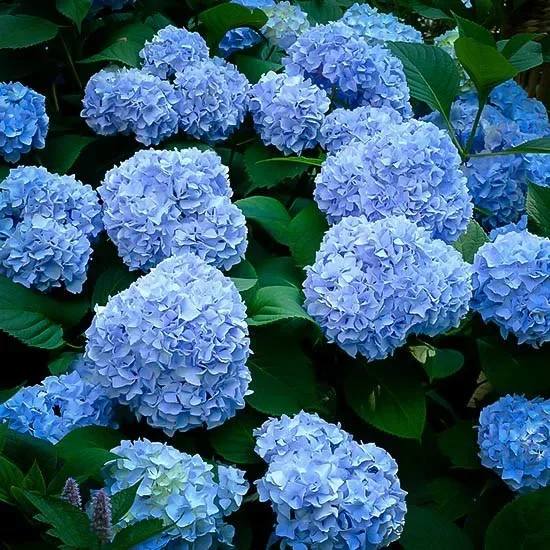 This hydrangea is known for its large, round clusters of blue flowers that bloom in early summer. It is a relatively easy-care plant that is drought-tolerant and deer-resistant.
Blue Shikoku Hydrangea
 This hydrangea is a compact shrub that produces large, blue flowers in late spring. It is a relatively cold-hardy plant that can tolerate temperatures down to -20 degrees Fahrenheit.
Blue Wave Hydrangea
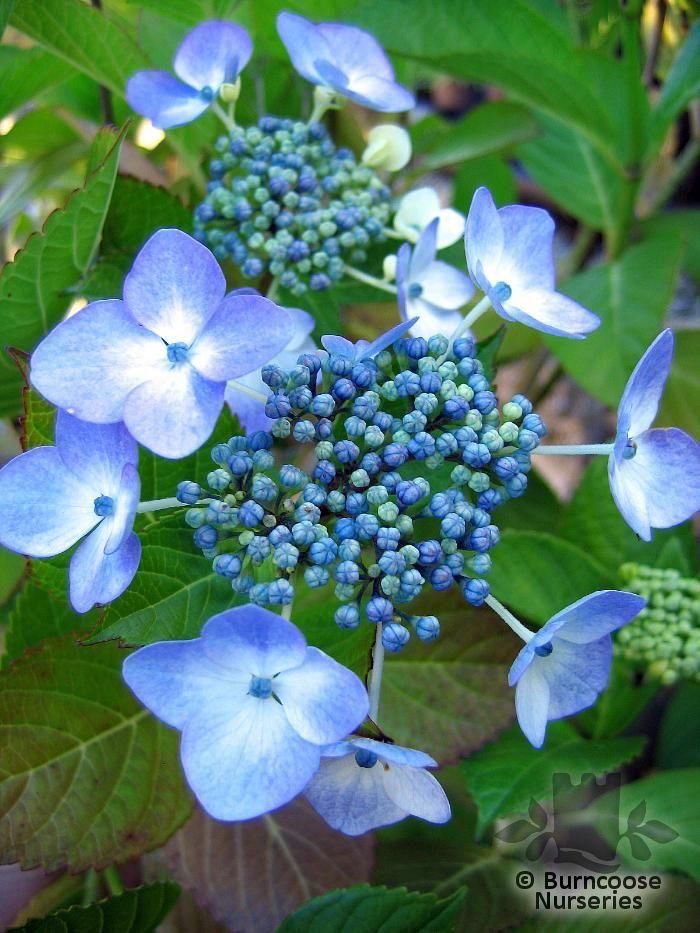 This hydrangea is a fast-growing shrub that produces large, blue flowers in late spring. It is a relatively versatile plant that can be grown in full sun or partial shade.
Blue Horizon Hydrangea
 This hydrangea is a relatively new variety that produces large, blue flowers in late spring. It is a relatively hardy plant that can tolerate temperatures down to -20 degrees Fahrenheit.

Post a Comment for "Blue Hydrangeas: The Ultimate Guide To Growing And Caring For These Beautiful Blooms"